01 / FREE
£0 / ongoing
2 active vehicles. One owner.
- Date/meter schedules, work orders and cost history.
- Retained history and account recovery
- CSV and full workspace JSON exports
FLEET MAINTENANCE / A CLEARER WORKING DAY
Know what needs servicing, what is in the workshop and what the work cost. One shared record for your small fleet.
2 vehicles free · No card required · Your records, saved
PLANNED. RECORDED. READY FOR REVIEW.
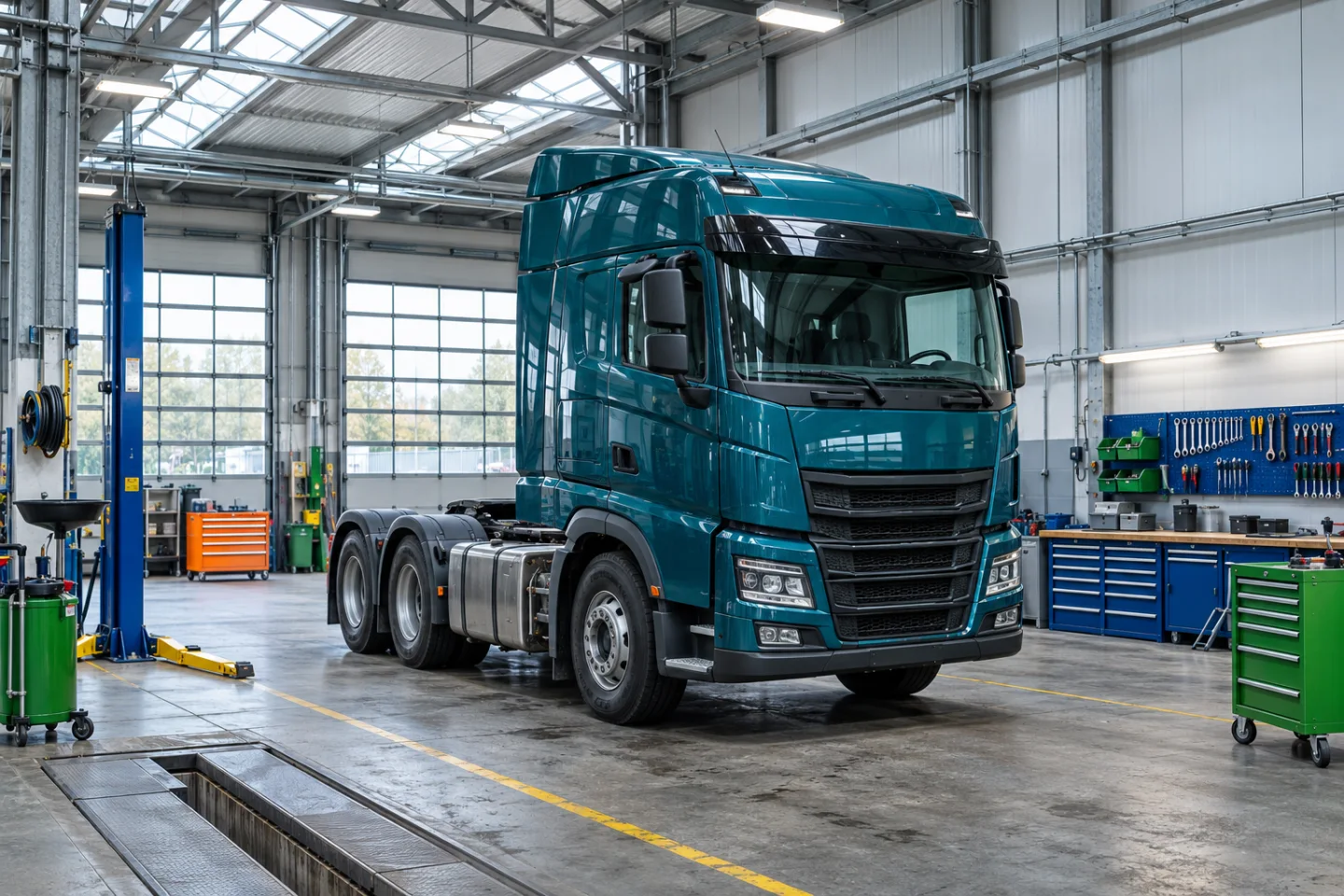
Vehicles, units and readings.
Dates or meter intervals.
Work orders and actual costs.
A retained service history.
WHAT A WORKING DAY LOOKS LIKE
Service dates and meter readings work together. A schedule needs attention when either trigger is reached.
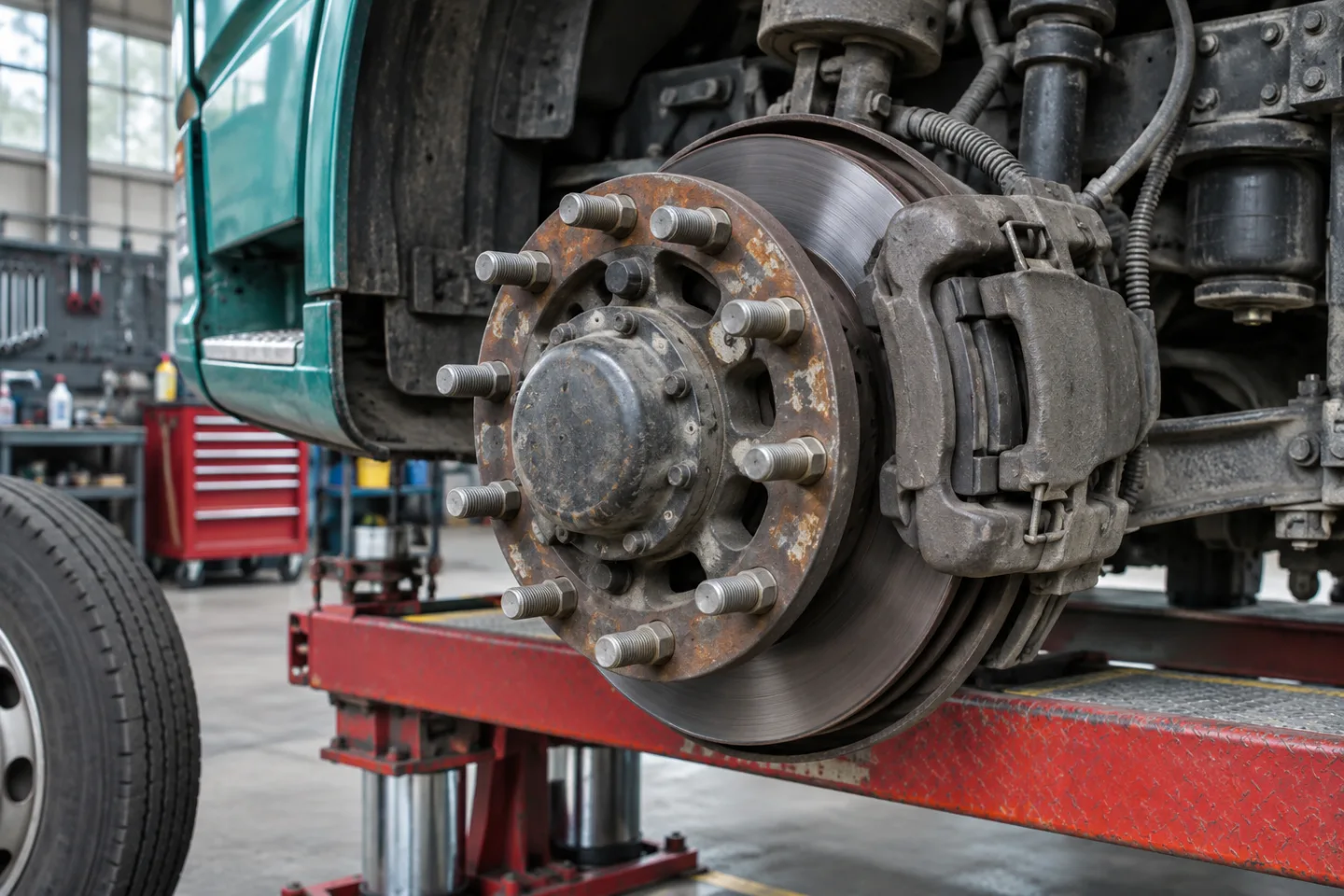
SERVICE HISTORY, WITH SUBSTANCE
Set a date, mileage, kilometre or engine-hour schedule. Record readings manually and plan around the intervals you actually use.
Keep actual completion, workshop, parts, labour and other costs together. Completing a service advances its configured interval.
Retire a vehicle without losing its work. Export records, review costs and see who changed what.
SMALL FLEETS / SHARED RESPONSIBILITY
Give each person their own login. Managers keep the work moving; viewers can review the register. The owner controls access and billing.
Set up your workspace →
A PLAN THAT FITS THE WORK
Your records are saved in your account. Export them whenever you need.
01 / FREE
2 active vehicles. One owner.
02 / PRO
Or £199.99 billed yearly.
Pro is a recurring GBP subscription. Cancel for the end of your paid period. After cancellation, records remain available. The owner can update existing records; new active records must fit the Free allowance, and teammates have read-only access. Archived records are retained. Stripe shows the final amount before purchase.
BUILT FOR A SPECIFIC JOB
This is a manual fleet maintenance organiser. It includes servicing schedules, work orders, costs and internal vehicle states. Dashboard dates and optional email digests help your team plan.
It does not certify roadworthiness, replace statutory inspections, provide GPS/telematics or connect to DVLA/DVSA. Use the manufacturer's guidance, your operator's policies and qualified maintenance staff to set intervals.
THE NEXT JOB STARTS HERE